



When we talk about the risks of youth gender transition, most of our attention goes to puberty blockers, cross-sex hormones, and “gender-affirming” surgeries. These medical interventions dominate the conversation, and rightly so — they are serious, irreversible treatments done on vulnerable young people devoid of any robust evidentiary underpinning attesting to their long-term safety or efficacy.
But far less attention is paid to the harms that occur long before a gender doctor ever enters the picture. Long before a child, teen or young adult steps foot into a gender clinic, they have almost always already begun to socially transition. Social transition is a far more serious intervention than anyone gives it credit for. Anyone who thinks that banning medical transition for minors will prevent them from being harmed by gender ideology, fundamentally misunderstands just how life-altering social transition is.
The current iteration of the culture war on trans issues has a sole focus on preventing medical transition, with virtually no discussion of the gravity of social transition. On the rare occasion this topic is discussed, it is seen as a violation of parents’ rights, but only when done to kids secretly in schools without the knowledge of their parents.
Our lack of cultural focus on social transition attests to a gaping failure in our collective understanding of how transition-related harms actually play out. Seeing social transition as a neutral, reversible ‘compromise’ rather than for the life-altering step that is, is precisely what makes our young people so vulnerable to being permanently altered by this modern transgender craze.
Social transition is at the crux of the very transition-related harms we are now just beginning to discuss. It is also nearly impossible to legislate into non-existence. So, the least we can do is to start understanding its incredible significance by studying the phenomenon.
In this essay, I’ll use my life story to highlight exactly why we need to start taking social transition just as seriously as we do medical transition.
The Quiet Onset of Transition
Social transition is often the first step in what becomes a trajectory toward irreversible, lifelong medicalization. It’s framed as a low-risk, easily reversible way for a child (or a young person more broadly) to “try on” a different gender identity — changing names, pronouns, hairstyles, clothing.
Social transition often involves engaging non-hormonal, non-surgical but physically and medically impactful, dangerous practices like breast binding (for females) or genital tucking (for males). Even among critics of medical transition for youth, social transition is still widely seen as a benign compromise — a harmless way to offer support without going “too far.”
But this assumption is dangerous.

The Illusion of Reversibility
Social transition is often likened to puberty blockers in that both are marketed as “safe” and “reversible.” Yet, we now know that puberty blockers can have irreversible effects, including loss of bone density, sexual dysfunction, and cognitive impacts. They are also known to virtually guarantee progression to cross-sex hormones. Most kids (with a pre-pubertal onset of gender dysphoria)1 who are not socially transitioned or medically “affirmed” overwhelmingly experience a natural resolution of gender dysphoria through puberty. However, most kids who are socially transitioned at a young age will continue to retain their cross-sex identity and continue onto medicalization.
Strikingly, the very Dutch clinicians who pioneered the model of pediatric transition even themselves advised against the full social transition of kids before the early stages of puberty, due to the high likelihood that gender dysphoria in this population will resolve itself naturally.
Trans activists use the high persistence of cross-sex identity in socially transitioned kids as documented in this study, as proof that kids “know who they are.” In reality, a simple comparison of desistance rates in non-socially transitioned versus socially transitioned youngsters clearly shows that social transition cements cross-sex identities and acts as a nearly intractable barrier to a child reconciling with his or her natal sexed body.
Still, even many people who hold gender-critical views continue to implicitly view social transition as not a big deal and totally underplay its significance. Some go as far as to refuse to use the term “detransitioner” to refer to those who never took hormones or underwent surgery, but who lived years of their lives passing as the opposite sex, and instead lumping them into the vague category of “desisters.”
This notion that social transition is transition while you’re doing it, but ceases to have ever been a transition that you can detransition from once you quit the process, is an obviously nonsensical notion.
Defining gender transition as only a medical and surgical process is not only factually incorrect, but by relegating those who quit a social transition into the previously clear clinical definition of a “desister” we are conflating two vastly different experiences: one in which a child’s dysphoria resolves naturally without any intervention, and another in which a young person lives for years under a false identity, engaging in physically damaging rituals like prolonged breast binding and genital tucking — and walks away from the experience with permanent consequences, and while perhaps still experiencing gender dysphoria.
I will repeat: those whose desire to transition resolved naturally, without intervention have little in common with those who experienced dysphoria and tried to resolve it by living as members of the opposite sex without the assistance of hormonal and/or surgical interventions— but who realized through experience that transition did not resolve their dysphoria. Conflating these distinct patient populations makes the nature of this phenomenon impossible to understand for what it is, and even more difficult to study for the purposes of establishing solid treatment guidelines for how to help those harmed by transition, to recover.
Social Transition Is Not Neutral
As someone who began trans-identifying and binding at the age of 12, fully socially transitioning at age 18 and spending my entire young adulthood until the age of 24 living as a man, I can say confidently: social transition is not harmless. It is not reversible. It leaves everlasting marks — on the body, on the psyche, on one’s ability to return to a stable sense of self.
You don’t have to take my word for it: Hillary Cass, the lead pediatrician who was commissioned by the UK’s NHS to conduct a systematic review of the evidence surrounding the practices of pediatric gender medicine, has herself concluded that social transition is (in her own words) “not a neutral act.” It can influence whether a child’s dysphoria persists or resolves. It has the power to shape treatment trajectories by locking young people into their distress by enshrining it within an identity, which makes it harder for a youngster to stop and reconsider whether a child can reconcile with their natal sex.
I would go even further than to say that social transition is only harmful because it predisposes youngsters to further medicalization. Social transition doesn’t just affect a patient’s clinical trajectory— it changes how young people perceive and relate to their own bodies in a way that can cause irreversible psychological trauma and physical harm just by itself.
Binding, Tucking, are the Interventions Everyone Uses and that No One Talks About
In a previous essay, I explored how breast binding and genital tucking are two of the most widely used but least scrutinized gender-related interventions. They are encouraged as “temporary,” “reversible,” and “non-invasive.” Yet both can result in long-term physical damage — nerve damage, tissue and skeletal deformation, chronic pain, breathing issues, urological issues and reproductive health consequences. These are not minor or neutral practices. They are bodily interventions with lasting impact, often inflicted in adolescence and early adulthood when both an individual’s identity is still forming and his or her body is still actively growing. Read more at this link:
Breast Binding, Genital Tucking, & the Lie of ‘Safe Gender Affirmation’.

Following Trump’s Executive Order suspending the use of federal funding for “Gender Affirming Care” for young people under the age of 19, interventions such as puberty blockers, cross-sex hormones and transgender surgeries will become less easily accessible to young people. While this Executive Order has the immense potential to spare many youngsters fr…
Social Transition is a Ticking Clock

The current narrative around gender transition often imagines transition as a linear process: first social, then medical, then surgical. But that’s not how it actually works.
Within trans communities, you are considered to be trans just if you say you are trans- regardless of whether or not you transition at all. You don’t need any surgeries or any hormones to be trans. You don’t even need to alter your superficial appearance. You don’t need to bind your breasts or tuck your genitals. You don’t even need gender dysphoria to be trans. Though these disclaimers are made, many within trans communities will still transition through a variety of social and/or, legal and/or, medical and/or, surgical means.
However, before any type of transition takes place, there is a period of ideation where the young person who is exposed to the concept of transgender identity and transition begins questioning their identity, figuring out whether they think they are trans and planning their ‘coming out’ and their transition- far before they even alert any adults to the thoughts in their head.
Transition isn’t a set of sequential, fixed steps. Rather, it is a loose trajectory of altering one’s external appearance to be socially perceived as a member of the opposite sex. Transition is a grab bag of practices selected, modified, and personalized based on the desires of the specific patient. Even medical contraindications aren’t taken seriously by doctors— whatever the patient wants, the patient gets.
It is not true that everyone socially transitions before they medically transition: it is not uncommon for men to begin a cross-sex hormone regimen to feminize themselves years before they request friends, family and co-workers to refer to them as women- or even years before they begin to publicly crossdress. Bruce/Caitlyn Jenner is just one example of this.

My Experience of Social Transition

In my experience, social transition wasn’t a ‘try on’ phase before medicalization. It was the beginning of a countdown, and I took it so seriously that it fundamentally altered the course of my life in ways which cannot be undone. Here’s what I mean:
As a female, you can pass very easily as a boy when you’re young — especially if you’re a prepubescent girl. Even after puberty, many females can pass well enough in the right cultural contexts without testosterone— at least for a while. But then you age. Your hips widen. Your breasts grow. Your features soften. Your growth plates fuse. Eventually, people around you begin to notice your femaleness more, no matter what you may do to obscure the appearance of your sex traits.
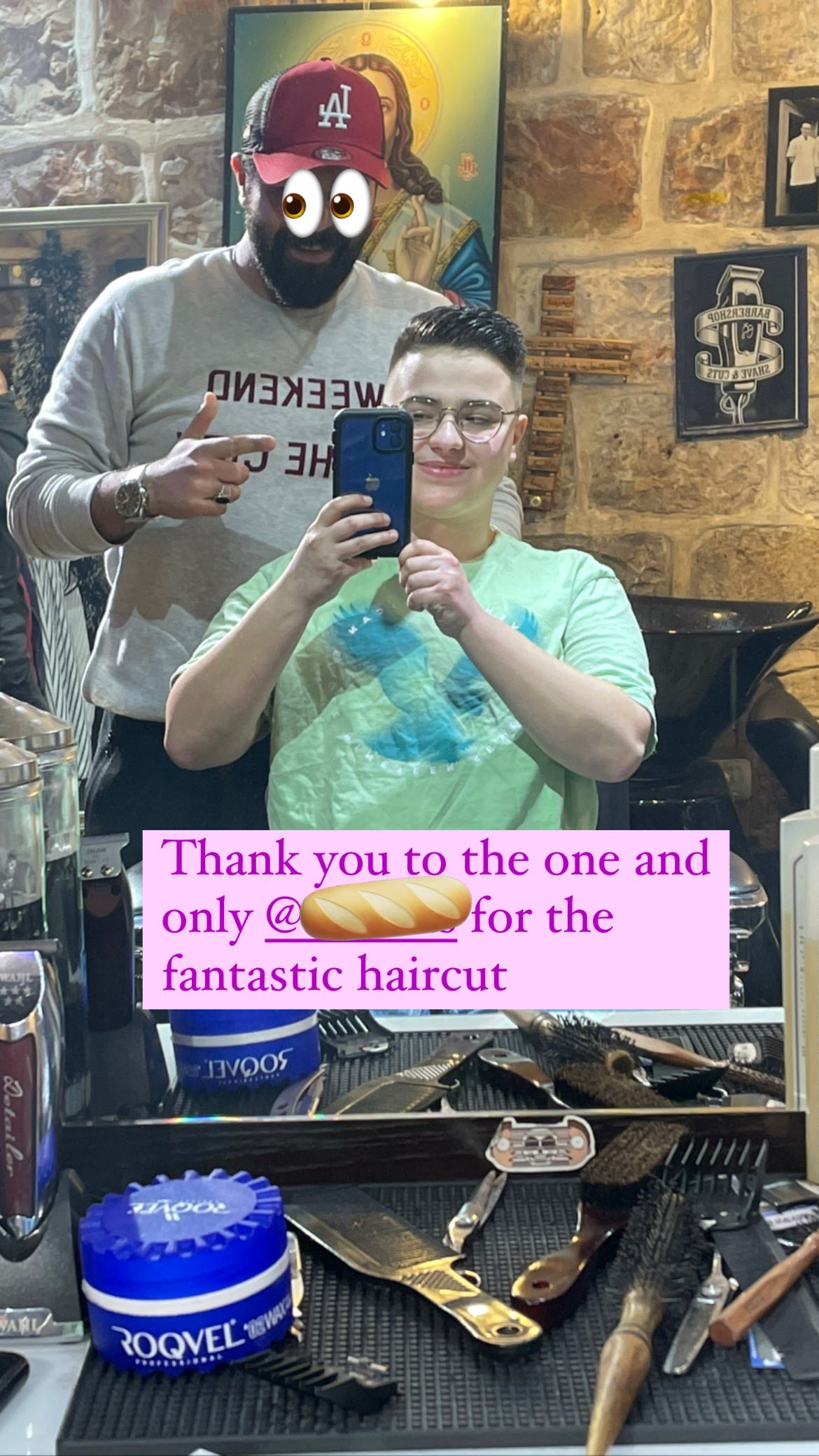
In places where concepts like “trans man” or “butch lesbian” aren’t familiar to the locals, like those I lived in, in the Middle East (really anywhere outside of Tel Aviv proper) I passed so convincingly even without hormones that people thought I was just a very young teenage boy.
I was “true trans” in every sense of the word. I exceeded the expectations of the old school trans “real life test.” Unlike my counterparts transitioning in the West at the same time, I required the affirmation of no one to be perceived as male. But that illusion has a shelf life. The friends I made when I was 20 and had just moved to Israel found it much harder to believe that someone like me could be a woman, than that someone like me was a 20 year old man who looked like a 15 year old boy. So in the short-term this worked out very well in my favor.

But with every new year, as I made new friends and told them that I was 21, 22, 23, 24… while still looking like a 15 year old boy, people reacted with increasingly more disbelief. Their disbelief was not about the male illusion that I somehow pulled off, but that I could actually be…. in my twenties.
Those friends who met me at 20 and believed me to be an oddly young looking guy but then stopped giving it much thought as our friendship progressed, would meet me while hanging out with new friends who would crack jokes about my youthful appearance. I knew it was only a matter of time before my cover would be blown by some virtue- signaling liberal Tel Avivi who knows what a trans person is, and who would ask me about my pronouns within earshot of my Palestinian Arab dude bro friends who just think I am a young looking guy.
There were so many times, as I got older and as my social circle expanded, where I had close calls with my true sex being revealed in instances where it would be catastrophic both socially and from a personal safety standpoint, for the men I hung around with, to know that I not only was I a woman, but a lesbian woman at that.


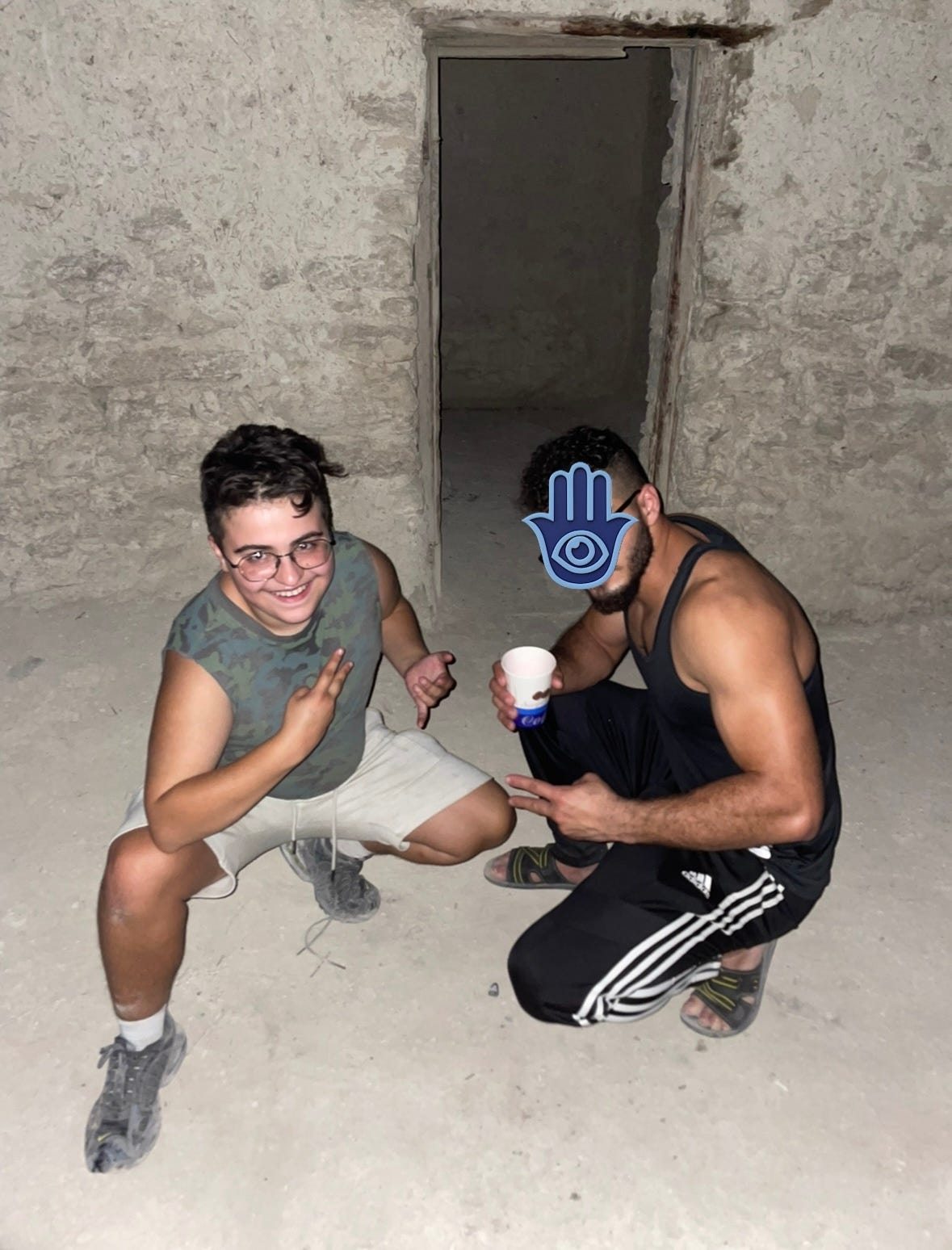
Eventually, I realized: if I want to keep being perceived as a man, I am going to need high doses of cross-sex hormones. My only problem- my parents will do everything in their power to stop me from getting them in the United States, and in this new country that I am not yet a citizen of, I don’t have access to the highly bureaucratic healthcare system needed in order to access enough testosterone to grow a beard. In order to “fit in” with a bunch of Jewish and Arab men, I knew my height would not be an issue for my long-term ability to pass, but my lack of a beard certainly would be.
The Psychological Trap of “Passing Well”

The better you “pass” during transition, the harder it becomes to confront the permanent reality of your sex. For most people, the following psychological trap plays out once they have begun to masculinize or feminize in response to cross-sex hormones. But, in my case, the fact that I passed so well — even without hormones or surgery — made me feel like I was the ideal candidate for a lifetime of cross-sex impersonation. In the environment of the traditional, conservative Middle East I knew that society would give me accurate feedback about whether or not I was passing- whereas in the United States, I knew that everyone would lie about how well I passed.

The required pronoun sharing rituals of the woke Anglophone West make it nearly impossible for people who are transitioning, to objectively gauge how society actually perceives them by insulating them within an affirming bubble which effectively makes it impossible for them to perceive reality accurately for as long as they remain in those social circles. The first years of my formal social transition in the United States didn’t feel real. It felt like an environment where everyone was pretending, together. Transitioning in a woke college campus felt like everyone’s trans identities were only being held together by the immense effort of everyone else memorizing each other’s preferred pronouns- no matter how dissonant they were to the individual’s appearance.
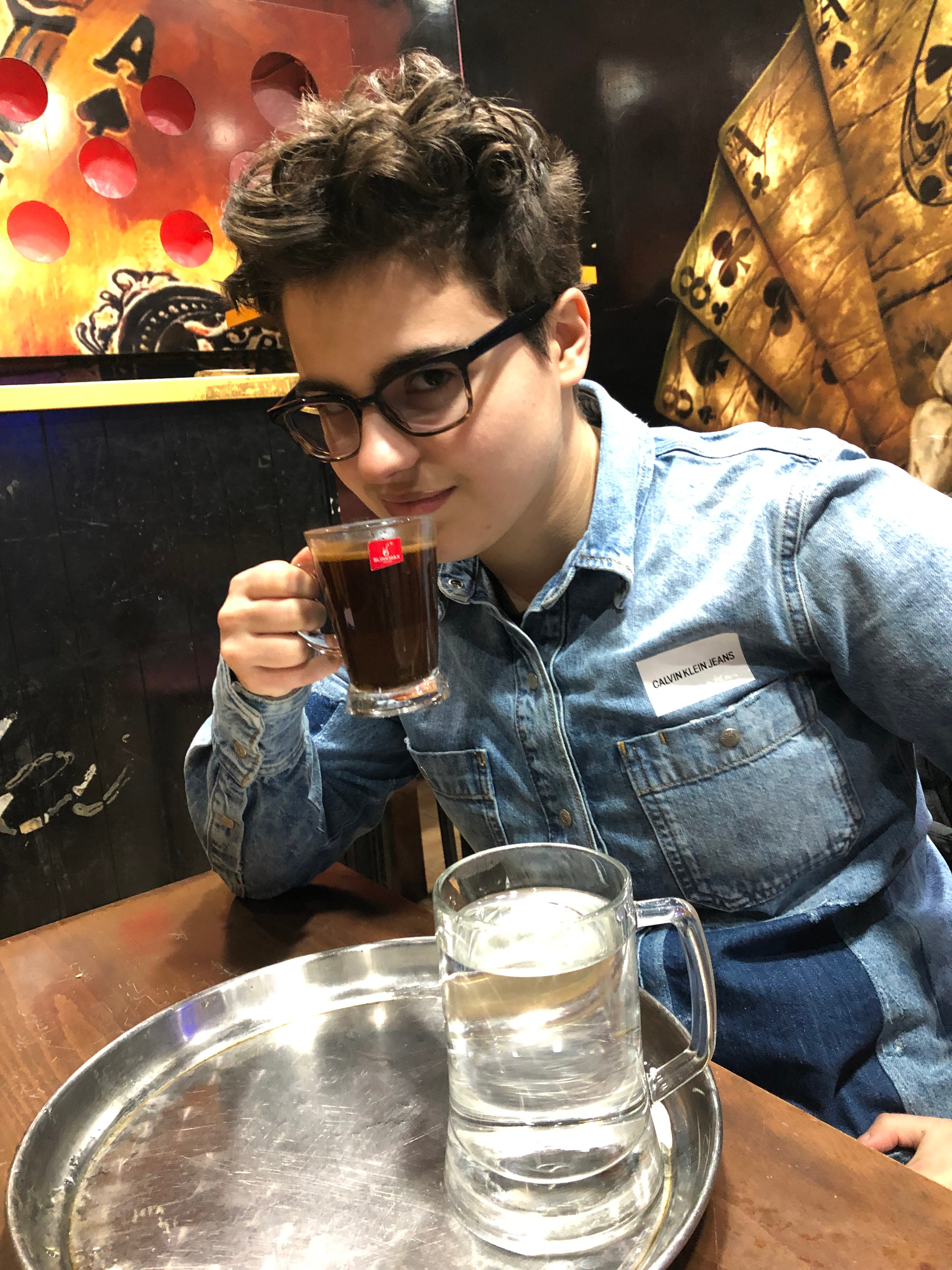
But I learned immediately in the Middle East, that no one will go out of their way to ‘affirm’ you. I got immediate social feedback about my passability when I was in the West Bank, invited into male-only coffee shops and spoken to in Arabic in the masculine gender. I knew I was passing as a man when I got escorted away from the womens’ side of the Western Wall and pointed towards the mens’ side as if I were a tourist ignorant to the fact that the wall was segregated by sex. Then I got more social feedback on the mens’ side of the Western Wall when I proceeded to get an impromptu bar mitzvah on the mens’ side of the wall (which I didn’t even know happened until it was over) after a young religious guy ran me through the male-only ritual of wrapping tefillin for the first time.
I told myself, “If I can pass this seamlessly now, that must mean I was the kind of person these medical interventions were made for.”
I was convinced that my ability to blend into society as a man proved something essential about who I really was, or about who I should have been born as. This belief was reinforced by transition, so I never felt the need to question anything. Instead, I just doubled down. Being able to pass in social transition made me want to live this way even more. Passing well didn’t offer me clarity. It distorted my perception of what was possible and reinforced my belief that my body was the only barrier standing in the way of an authentic life. But, passing so well without the use of hormones also bought me some time to mature a bit, because I had at least in the short term achieved my goal of integrating into such a traditional society as a man.
This same dynamic that I experienced while living as a man in the Middle East, undoubtedly plays out for young people in the West, where pronoun rituals and mandated “affirmation” policies give the illusion that others truly see you as the opposite sex. Whether you socially transition and medicalize or whether you don’t- there are some aspects of the transition experience which are such inherent features of the transition pathway that they might be universal:
For a while, this social performance is enough to sustain your belief in transition— but then you have to live with yourself. After living as a man in my daily life, I had to take off my binder at the end of the day and come to grips with the fact that I was still female. That experience never stopped being jarring.
Every month, I had to clean after myself during my period— and I always hoped it wouldn’t come in the middle of some Bedouin village without restrooms close by. Day after day in transition, you have to see your reflection, inhabit your body, and manage its daily functions. There is an internal conflict which inevitably bubbles up. Deep down, the knowledge that you’re still, inescapably, your sex— never goes away.
The result of this dissonance is a burning need to escalate to the next step. This doesn’t happen because the gender transition is “failing,” but because it’s succeeding just enough to make you believe that the only thing standing between you and continuing to experience this fleeting inner peace is one more step. And then another. And another.
The inner peace I felt in transition was always tinged with the background worry of being “found out”- because of how ‘stealth’ as I was. The more successful my transition became, the more I desired to “level up.”
In retrospect, transition mitigated much of my dysphoria during the day. But at night, alone, by myself— the weight of my still being female became increasingly hard to swallow. The dissonance between the role I played in my daily life, which in many ways felt very natural, and between the body I came home to at the end of the day was palpable. Over time, it became increasingly more difficult to ignore the charade my life had become, even though I really enjoyed getting to experience living in the Middle East as a man.
The experience of social transition isn’t just impactful because it necessitates medical transition in order to be sustained. It’s impactful because the social experience of transition, totally independent of any medicalization, is powerful enough to rewire your entire sense of self, creating a psychological loop where the better you “pass,” the deeper you dig in to maintain your ‘passability’ as you age, and the more all-consuming your fixation becomes. There is also a flip side to this phenomenon, where the worse you pass, the harder you will try to pass and the more you will convince yourself of why putting so much effort into becoming the impossible is a worthy investment of your time.
Social Transition and Medical Transition are Two Points On the Same Trajectory

It’s also important to understand that social transition doesn’t end once someone begins medical transition — it only intensifies. Too often, our discussions treat social and medical transition as discrete and separable steps, when in reality, medicalization is simply the escalation of social transition. Changing your name, pronouns, and appearance doesn’t stop once you start hormones or undergo surgery; it continues, deepens in complexity, and becomes more permanent in increasingly more aspects of your daily life. Medicalization exists to extend the ‘shelf life’ of your social transition.
The only elements of social transition that stop are breast binding and genital tucking following the surgical removal of those body parts which have already become damaged following the prolonged use of the aforementioned compression garments. Medical interventions are pursued to sustain and reinforce the social identity that’s already been constructed. To put it plainly: a person doesn’t “graduate” from social transition when they go on hormones — they’re just doubling down on it by staving off the inevitable aesthetic ‘consequences’ of continuing to age in their sexed bodies.
Medical transition isn’t elective after social transition — it becomes necessary to sustain the illusion. If your goal as a female is to be seen as male, then social transition without hormones turns your life into a ticking time bomb. You begin to see the years of life pass you by. Instead of focussing on becoming successful in some professional pursuit, you plan your life around how to get a job which will allow you to never have to contend with the reality of your sex. Instead of focussing on romantic relationships, you put that on the back burner until you can ‘pass’ better so that women see you more as a man, because you think it will make you more appealing to them. And also because the stakes of being seen as a lesbian couple in those types of traditional societies can be really high.
Looking back on my life, it is nothing short of miraculous that I integrated into society as a man as well as I did, without much medicalization. It certainly wasn’t due to a lack of trying on my part, but due to finding myself in an environment where it took years just to get my hands on some testosterone gel ‘donated’ by a friend- let alone unrestricted healthcare access to inject toxic doses of it into my body within one appointment.
Those precious years of life experience, of growing up and the unfortunate experience of living through a few wars (which forced me to contend with reality)— were what ultimately saved me from having transition destroy my health and my body (much) more than it already has.
The Slippery Slope of “Support”

In my case, I was fortunate (in a twisted sense) to be abroad in a place where access to medicalization was limited because as a non-citizen with an expired student visa who was in the process of pursuing Israeli citizenship, I had no reliable access to decently affordable healthcare. Even that didn’t stop me from getting my hands on some testosterone gel.
But had I been in the U.S., I could have walked into a gender clinic and received a hormone prescription on the same day as my first visit. That easy access would have been catastrophic. My parents, despite their limited tools, made a life-saving decision in sending me abroad — a speed bump that prevented me from falling off the cliff into the lifelong trans techno-medical abyss.
Today, there are no speed bumps preventing an impulsive young person from driving themselves off a cliff, especially once a teenager turns 18. The gates of the gender clinic open suddenly on a child’s 18th birthday after they had been waiting, obsessing and planning their transition for years. A child or a young person who socially transitions and then realizes that the illusion is slipping — that they can no longer "pass" without medical help — has nothing standing between them and permanent, body-altering and life-altering interventions.
The experience of transition for me felt like being on a roller coaster. It was exciting for me, as a chronic adrenaline junkie who thrives on chaos and novelty to constantly put myself in dangerous situations in my attempt to prove to myself that I could become the impossible: a man. I thought I was the one making every single choice about how I lived my life, but in reality I was being taken for a ride at rapid speed and got so caught up in the adrenaline rush of it all that I realized I had lost all control from the moment I got on the ride. But this realization only came after I chose to get off the ride myself. It’s not as if you can actually stop the ride whenever you want, in the middle of a loop which oversees a death drop, without risking an entirely new set of negative outcomes.
Social Transition Is Fundamentally Life-Altering

My transition story isn’t just one girl’s story. It is one story among many others. Most young women of my generation don’t find themselves transitioning all the way across the world where they can’t access the healthcare system, and therefore they don’t usually bind their breasts for an entire decade as they can get ‘top surgery’ within a year or two. If that girl goes on to detransition, much emphasis will be placed on the irreversibility of the surgery as a violation of health and medical ethics- and almost no attention will be paid to the complex psychosocial process that got her to this point.
That process is social transition.
The ways in which social transition causes a young person’s mindset to shift into beginning to justify damaging their body with compression garments is the catalyst for that young person seeing further (surgical) damage to their body as a cure for the damage already caused to them by the widely believed to be ‘neutral’ and ‘harmless’ act of beginning a social transition.
We need to stop treating social transition like a benign experiment or a soft entry point to see “if it feels right.” Social transition is a real, powerful psychological and behavioral intervention that, once started, becomes harder and harder to reverse. It almost always requires the constant compression of breasts for girl and women, which causes irreversible damage to the body parts being compressed in pursuit of ‘passing’ as the opposite sex.
In all honesty, you don’t even need a puberty blocker to have transition stunt your development- beginning a social transition alone and having it last for critical years of adolescent and young adult development is so all-consuming that it can easily become a singular focus for those young people who embark upon it. Young people who become hell-bent on immediately transitioning from the moment the idea enters their head, will be hardly able to focus on developing their other life skills. The process of devoting so much time to ‘passing’ socially often sets the stage for far more drastic steps, while in the moment disrupting the natural development of a young person’s life by encouraging one to play dress-up into his or her twenties instead of learning the life lessons you should be learning as someone of your biological sex.
A social transition in a university setting, even if the individual does not medicalize will have consequences that live with them permanently. Either they continue through social transition until they can no longer sustain it without medicalization, or the individual will have to make the difficult decision to disembark from the transition pathway and to lose the networks they have built while in transition. The former is an escalation of the physical consequences of damage already sustained to the young person’s mind and body, and the latter is a disruption to much of the progress already made by that young person in establishing their social networks. There are no other options. There are no other ways for a young person to get out of their social transition without yet again, fundamentally disrupting their lives.
In my case, when I became a citizen of the State of Israel and could finally work legally rather than cosplaying as an Orthodox Jewish guy to clean religious peoples’ houses, cater for circumcisions or set up parties for their newborn daughters’ naming ceremonies— I found myself navigating a new set of challenges:
The trouble now was that on my documents, I was listed as a woman. Changing my name and sex on all of my documents would be yet another laborious, bureaucratic process. But, everyone who could write me a reference for a job or a new academic program did not know I was a woman. In the Middle East, leaning on your social networks as a new immigrant especially, is an unspoken requirement in achieving professional success.
Similarly, even where I wasn’t “stealth” such as in the environment of my woke American college, where everyone knew me under my male identity but did know that I was actually female (or that I was “trans” as they would put it)- now are not a reliable network of people I can count on because my detransition has made me an untouchable pariah amongst most of my former so-called ‘chosen family.’
Conclusion
While I was years into transition, I became increasingly aware of how difficult it would be to disembark from the transition pathway both in Israel and in the United States because the social cost of having to bulldoze my life to stop my transition would be yet another permanent and life-altering decision which would force me to foreclose on the very opportunities I had spent my entire young adulthood building towards. Detransition felt like such an impossibility because of how many sacrifices I had made just to transition in the first place.
But when I started my transition, I was not even remotely mature enough to even be able to anticipate the ways in which it would fundamentally alter my life.
It’s time to face the truth: social transition is not harmless. It is not neutral. It is not easily reversible. Some aspects of it aren’t reversible at all. It is, for many young people, the first set of irreversible harms they will incur on their lifelong transition journey. Instead of investing their energy into becoming the best versions of themselves, young people who pursue transition become singularly focussed on becoming the very thing which is quite literally an impossibility: the opposite sex.
The harms of social transition are so easily incurred that this alone predisposes young people to embark upon a lifelong path of pursuing further self-destruction as a remedy for what was already stolen from them. Social transition is serious. We must stop pretending otherwise.
Have you found this article helpful? If so, please consider becoming a paid subscriber to support my work so I can continue to bring my insights to you.
Do you have a child or a loved one who you are trying to responsibly guide through their gender questioning process? If so, I offer parent coaching where I use my personal experience to help you make a plan. If this is of interest to you, please DM me.
To be clear, we should not conflate the cohort of pre-pubertal onset cases of gender dysphoria wherein for the vast majority of kids, puberty was the cure to their distress— with the much larger cohort of adolescents with adolescent-onset (sometimes called “rapid-onset”) gender dysphoria for whom puberty was either the cause of their gender distress or at the very least, a catalyst.
High rates of desistance are well-documented in specifically boys who present with gender identity confusion before the onset of puberty but are not socially or medically affirmed as the opposite sex. Much less is known about the teen girls and boys who present with gender dysphoria as adolescents or young adults. We should not assume that all youngsters under the magical age of 18 will be helped to reconcile with their bodies by just “waiting and seeing” because these patients are not presenting for the same reasons.
This conflation is made all the time by spokespeople and political pundits and it really grinds my gears. It is exceedingly important to make the distinction between pre-pubertal onset gender dysphoria and adolescent-onset, not because we have any evidence that the latter is best served by transition (we don’t have good evidence that there are any specific characteristics of patients of any age will be definitively helped more by transition than they are harmed by it)— but because we simply cannot make an evidence-based assertion that if you leave a 14 year old with no gender issues alone and don’t affirm their transgender identity, that there is a high chance they will magically grow out of it before reaching age 18 and finding themselves in a gender clinic.
The teen-onset gender dysphoria is so commonly observed in teens and young adults who are additionally very indoctrinated into holding strict ideological beliefs about sex and gender, that resolving their gender dysphoria, in my personal experience, requires actively un-indoctrinating them from gender ideology.
This is why I don’t affirm gender as a therapist. Your essay is so in-depth and complete. Thank you.
Your words validate my stance on this. I call my clients by their biological name. I am also open to finding a nickname together that resembles their biological name. I listen as they refer to themselves in opposite pronouns and inquire how that makes them feel and what that’s like. I ask more nuanced open-ended questions as I see fit in the moment. I create a space for clients to express and explore their experiences.
When asked or appropriate, I let them know that since we’re working on getting to know who they are in the context of their lives, it’s best for me not to change their biological name or pronouns or follow a specific and new thought or idea about who they might be - that I’m there as a container for them to contemplate many things about their relationships to others and to themselves. My use of any new or newer idea, name, or belief would be just like me confirming that one idea is correct or better than another idea, and my role is as a partner for exploration rather than confirmation - that my job is to keep the space open for them to be able to continue their exploration rather than close doors and limit them.
This usually makes sense to my young clients, and we can return to exploring their thoughts, experiences and ideas from a wider, deeper lens.
Another good article—also I can say that as someone who watched all my friends socially transition as sort of an outsider-looking-in, social transition creates sort of a “frog in boiling water” effect.
I would have changed my mind on this a lot sooner if they had all started medicalizing immediately. Social transition just puts off the inevitable, and then one day you realize it’s too late.